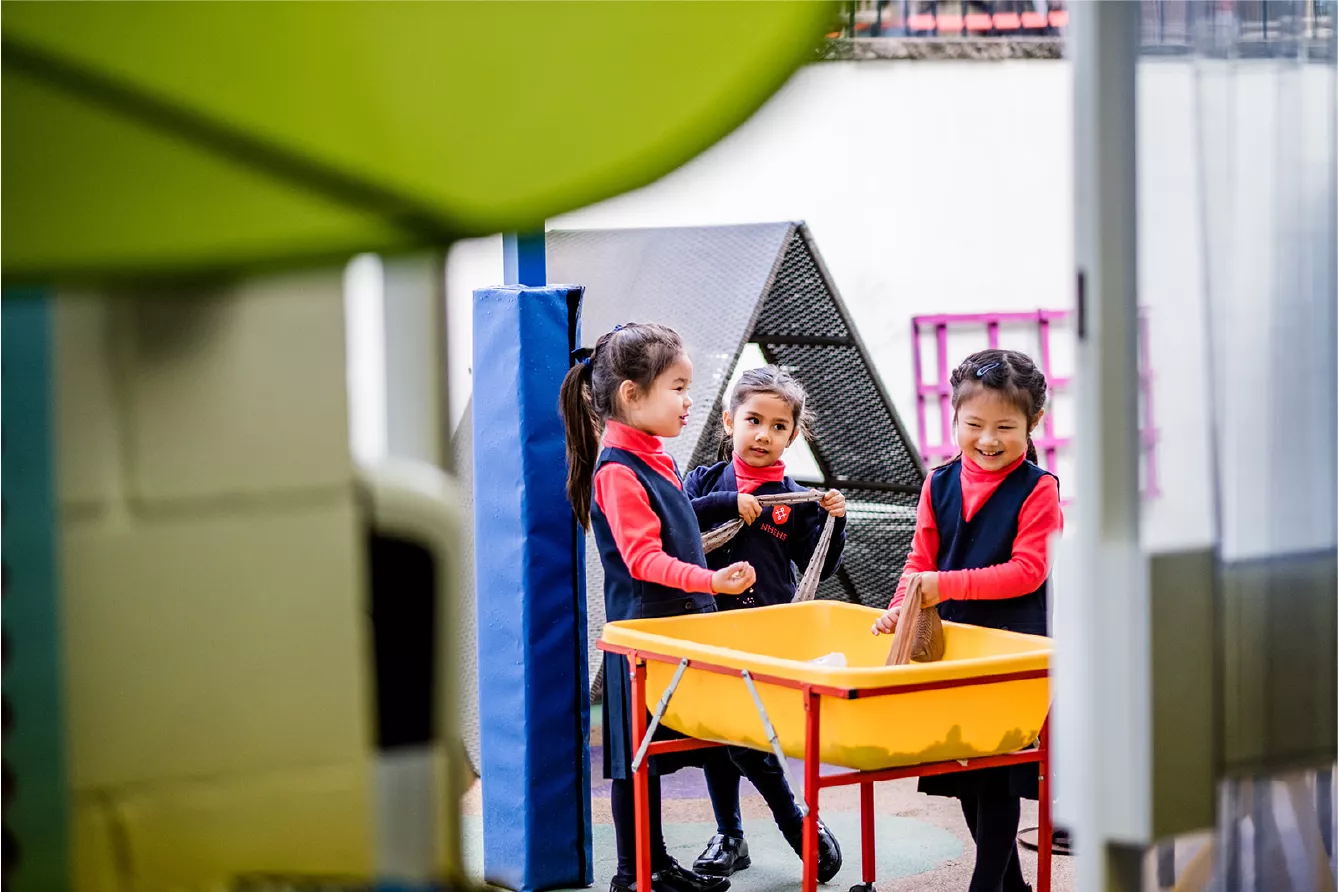

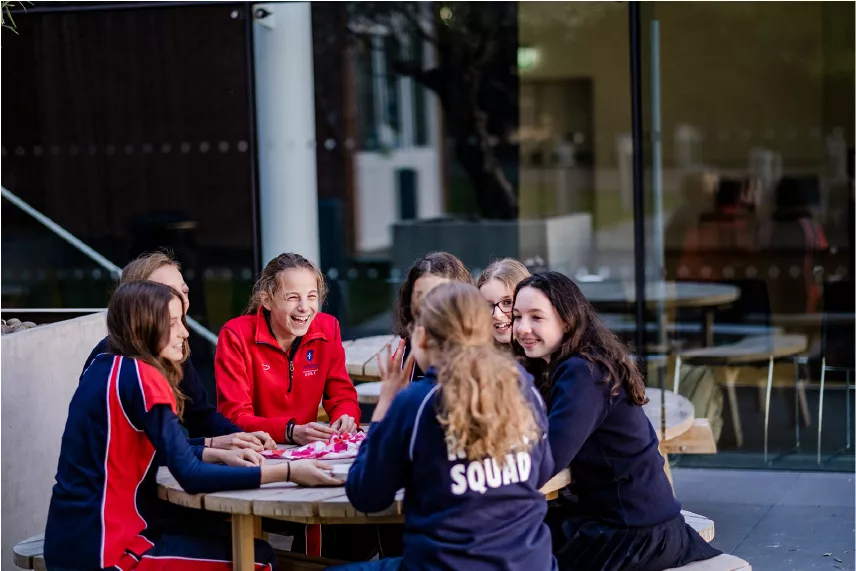
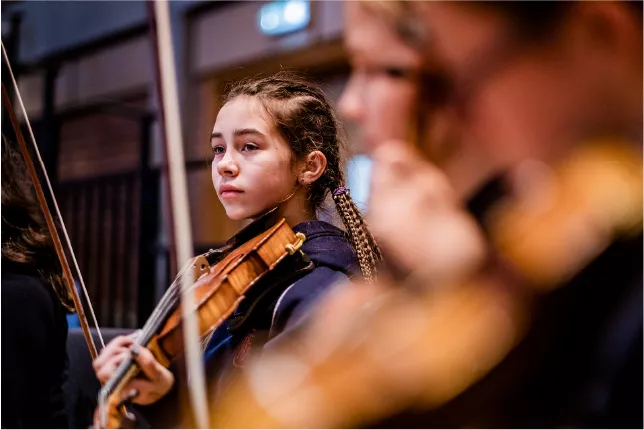

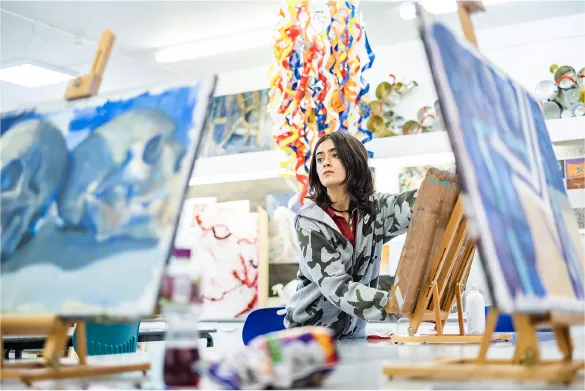
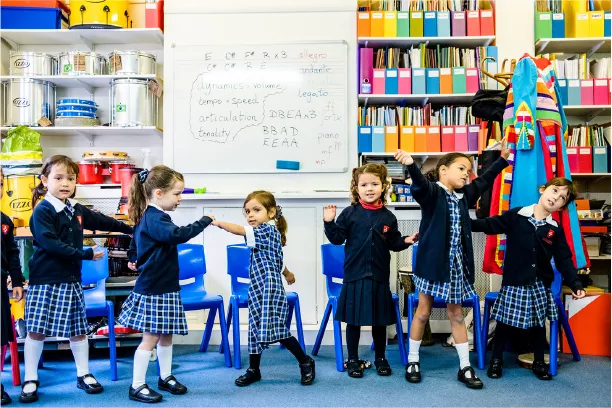

“Pupils of all ages demonstrate a love of learning and a desire to develop their aptitudes and interests.”

- ISI Report 2025

"We believe that Sixth Form should be the most interesting, enriching and academically demanding years of your school life. Each year, pupils join us with the intellectual spark and curiosity to take advantage of everything NHEHS has to offer, and leave with the drive and determination for their next adventure."

Registration deadlines:

Junior School

4+ - 16th October 2026
7+ - 4th December 2026

Senior School

11+ - 6th November 2026

Sixth Form

16+ - 30th October 2026

"We believe that being part of a community matters, it involves reaching out to volunteer, raising funds for causes we care about, and sharing our spaces to build meaningful relationships. These collaborations are mutually enriching and enable our students to create connections beyond the school gates."

Category: 2026

Year 7 bonding day

From the Parthenon to Po-Mo – Da Vinci Programme

By Sofia Stidham, Year 10 Journalist Leader

On Wednesday 19th June, the penultimate Da Vinci club took place after school. There were two sessions which we could go to and the session I went to was called ‘Parthenon to Po-Mo’ where we discussed how aspects of architecture in Ancient Greece and Rome can also be used in Postmodern architecture.

When we entered, we were each asked to draw a Greek temple in a minute. My drawing skills are very limited but, in the end,  I managed to draw a triangle on-top of a few columns with stairs (we learnt the technical terms for these later) like many of the others in the room.

Then we began to learn about the features of temples. Firstly, we learnt about the different types of columns: Doric, Ionic and Corinthian. They each have different styles and represent different things.  Then we learnt that the triangle on top of the Greek temple is called the pediment, the stairs at the bottom of the temple is called the stylobate and about dentils (closely spaced, rectangular blocks). We noted these things before looking at postmodern architecture.

After this, we saw examples of postmodern architecture. Postmodern architecture emerged in the 1960s and was based off of some of the architectural styles of the Ancient Greeks and Romans. An example of a building that we saw that uses postmodern architecture is the SIS building, and together we identified things like dentils on the building that the Romans and Greeks also used.

Our final task was to draw a postmodern building for a ‘multi-purpose arts centre’. There were so many great ideas like having paintbrushes instead of columns!

All in all, it was a great session and I definitely learnt a lot from it! Whenever I go around London now, I will definitely take note of all of the columns and architectural styles.

Back to news

Read more

Categories: 2026, Academic, Results, Senior
Our Year 11 students laid strong foundations for Sixth Form following an impressive set of exam resu...
Categories: 2026, Academic, Results, Sixth Form
Many congratulations to our A-Level class of 2026 who are celebrating today an impressive set of A-L...
Categories: 2026, Sixth Form, Uncategorised
For the recent Sixth Form bonding day, Year 12 and 13 took part in three activities, each focussed o...
Categories: 2026, Senior, Uncategorised
Our Year 7s enjoyed their ever-popular Bonding Day on Thursday 24th September. They worked collabora...
Categories: 2026, English, Senior, Uncategorised
To celebrate National Poetry Day on 1st October, we were delighted to welcome celebrated poet Daljit...
Categories: 2026, Careers, Senior, Sixth Form
As part of our careers programme, Chartered Surveyor Victoria Collett gave a fascinating talk on mul...
Categories: 2026, Drama, Senior
The Drama Department had the pleasure of welcoming the celebrated verbatim theatre company The Paper...
Categories: 2026, Senior, Sport
by Miss Newman The U18 hockey team had a fantastic overnight trip up to Nottingham to play in the U1...